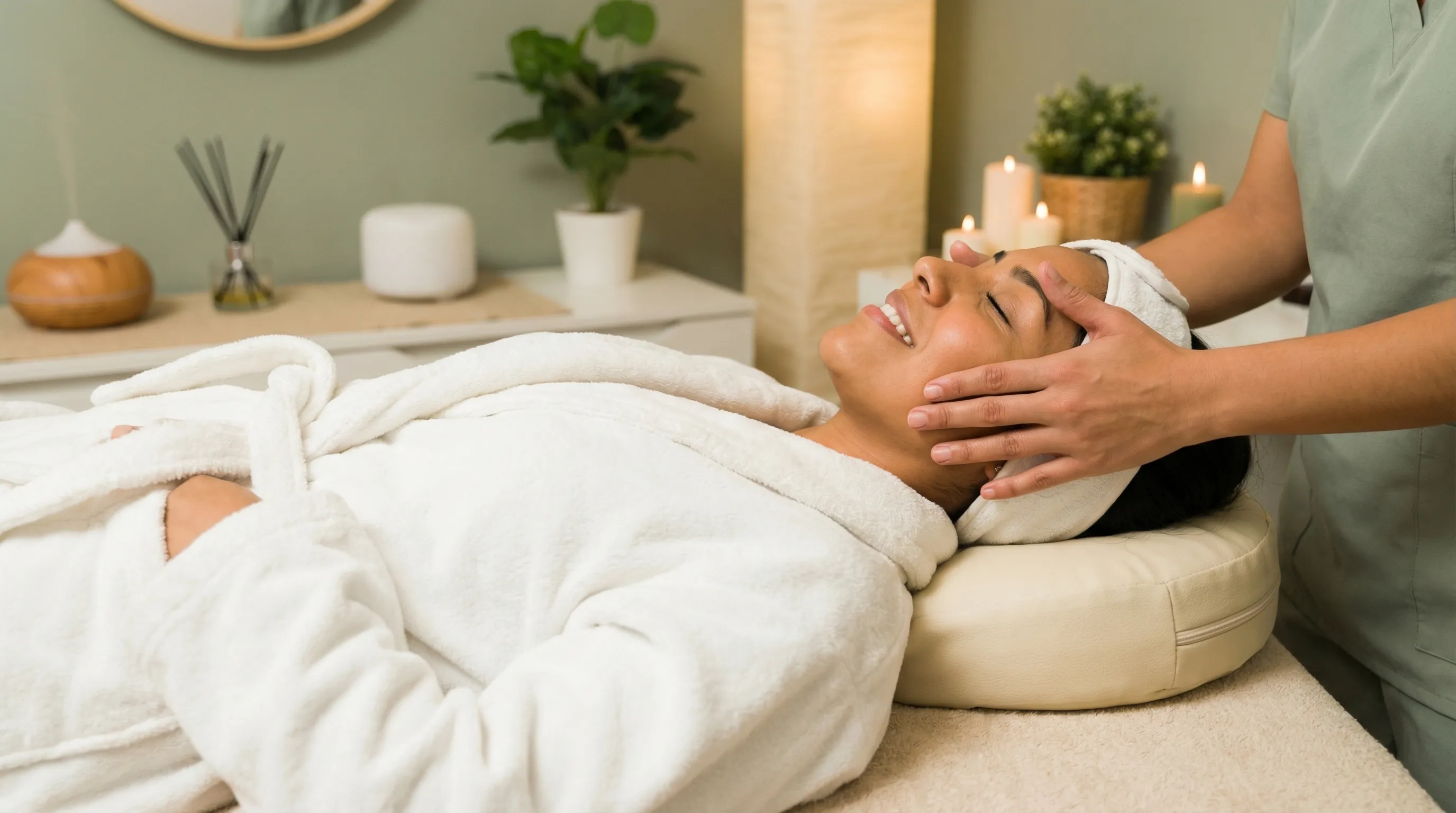
Facials
Professional skincare for deep cleansing and lasting radiance
What is Facials?
Professional facials are customised skincare treatments performed by trained aestheticians, skincare therapists, or dermatology practitioners. According to the British Association of Dermatologists (BAD), they go beyond what's achievable with at-home routines, using professional-grade products, specialised techniques, and clinical equipment to deeply cleanse, exfoliate, and nourish your skin. The BAD notes that treatments range from relaxing maintenance facials to results-driven medical-grade procedures targeting specific skin conditions.
Who is it for?
According to the BAD, professional facials suit anyone wanting to improve and maintain their skin health. They're beneficial whether you're managing specific concerns like acne, rosacea, or premature ageing, or simply investing in regular skin maintenance. Regular facials help all skin types—oily, dry, sensitive, combination, or mature. The BAD notes they're particularly valuable for those whose at-home routine isn't delivering desired results, or for addressing concerns that require professional-strength active ingredients.
Common concerns addressed:
- Congested pores and blackheads
- Dull, tired-looking skin
- Acne and breakouts
- Uneven skin tone and texture
- Fine lines and ageing concerns
- Dry or dehydrated skin
How does it work?
According to BAD clinical guidance, facials work through multiple complementary mechanisms. Deep cleansing removes impurities, makeup residue, and pollution that daily routines miss. Professional exfoliation promotes cell turnover at a level consumer products cannot achieve, revealing fresher skin. Extractions performed by trained therapists safely clear blocked pores. Masks and serums deliver concentrated active ingredients at professional strengths. Massage techniques stimulate circulation and lymphatic drainage, improving skin health and radiance.
What to expect
The procedure
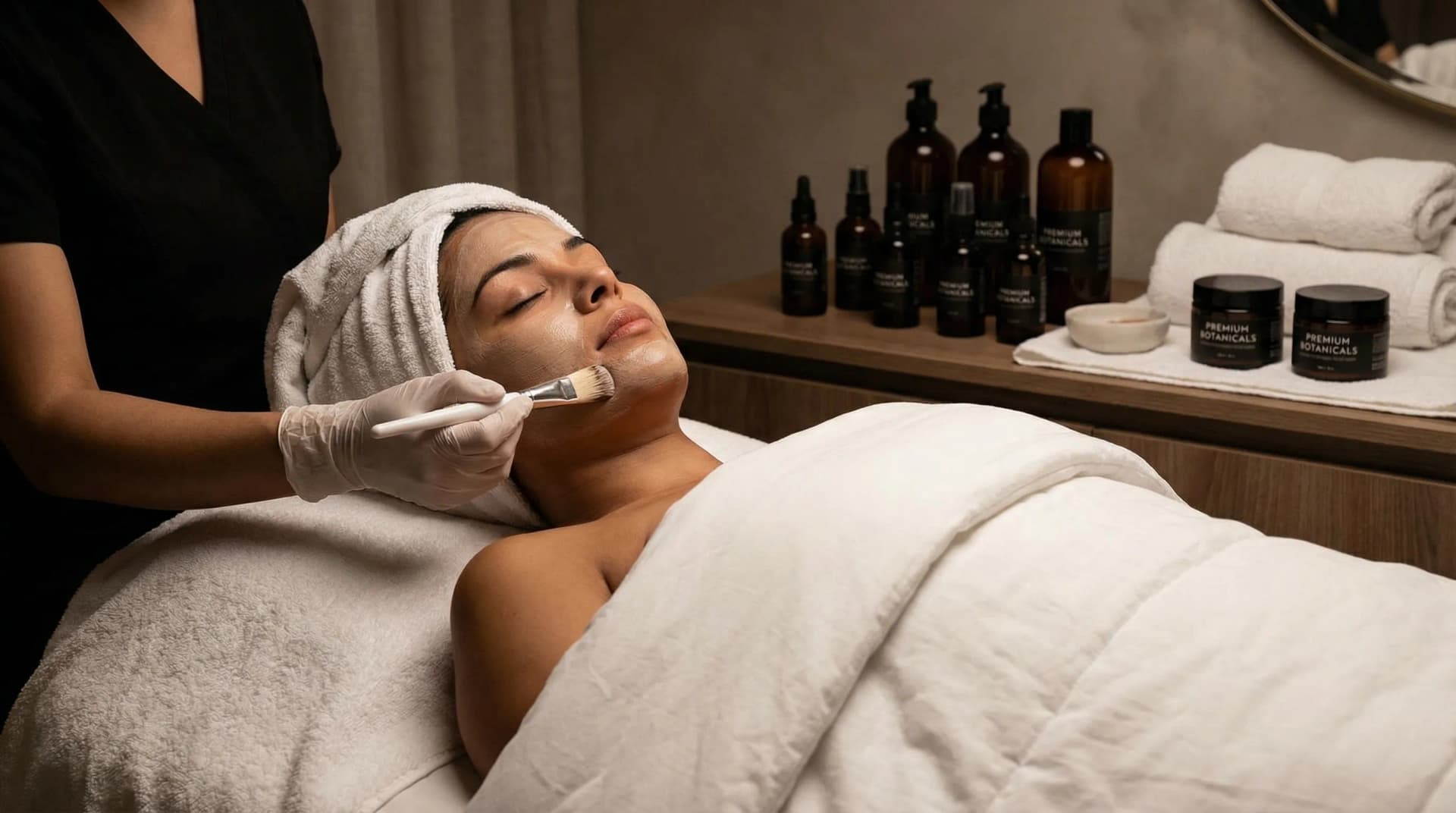
According to industry standards, a comprehensive facial takes 60-90 minutes. After thorough skin analysis and consultation about your concerns, your therapist will double-cleanse to remove all surface impurities. Exfoliation follows—either mechanical or enzymatic depending on your skin type. Steam may be used to open pores before extractions. A treatment mask tailored to your needs is applied while you enjoy relaxing massage. Finally, targeted serums and moisturisers suited to your skin type complete the treatment.
Recovery
The BAD notes that most facials have no downtime—your skin will look refreshed and glowing immediately. After extractions, you may experience slight redness that typically fades within a few hours. They recommend avoiding heavy makeup for the rest of the day to let your skin breathe and maximise product absorption. Skip strong active ingredients (retinol, acids) for 24 hours. Some deep-cleansing facials may trigger a brief purging period as congestion comes to the surface.
Results
According to BAD guidance, immediate results include clearer, more hydrated, visibly radiant skin. The deeper benefits of professional facials develop with regular treatments—improved texture, reduced breakouts, more even tone, and better overall skin health. They recommend monthly facials for optimal maintenance, aligned with your skin's natural renewal cycle. Your at-home products will also work more effectively on professionally treated skin.
Safety considerations
The BAD advises always informing your therapist about any skin conditions, allergies, current medications, and whether you're pregnant. Some treatments aren't suitable during active acne flare-ups, on sunburnt skin, or if you're using certain medications like isotretinoin (within 6 months). Professional extractions should be performed carefully by trained therapists to avoid scarring or spreading infection. Always follow aftercare advice, particularly regarding sun protection after any exfoliating treatment.
Questions to ask your practitioner
Before booking your treatment, make sure your practitioner can answer these questions:
- 1What type of facial do you recommend for my specific skin concerns?
- 2What products and active ingredients will you use?
- 3What qualifications and training do you have?
- 4Will the treatment include extractions, and how do you perform them safely?
- 5What should I do (or avoid) after my facial?
- 6How often should I have facials for my skin type?
Frequently asked questions
How often should I get a facial?
According to the BAD, monthly facials align with your skin's natural renewal cycle (approximately 28 days) and provide optimal maintenance. However, frequency depends on your specific concerns, skin condition, and budget. Even quarterly facials provide benefits. Your therapist can recommend an appropriate schedule based on your individual needs.
Why is my skin breaking out after a facial?
The BAD explains that a 'purge' of small breakouts can occur after deep-cleansing facials as congestion that was trapped beneath the surface comes through. This is temporary and usually resolves within a week. True breakouts from product reactions are different—speak to your therapist if you experience persistent irritation or worsening acne.
What's the difference between a spa facial and medical facial?
According to the BAD, spa facials focus on relaxation and general skin maintenance using gentler products, often with aromatherapy and massage emphasis. Medical or dermatology-grade facials use stronger active ingredients, clinical equipment, and advanced techniques to address specific concerns like acne, pigmentation, or ageing more aggressively. They're typically performed by medically trained practitioners.
Can I wear makeup after a facial?
The BAD recommends keeping skin makeup-free for at least a few hours after your facial to let products absorb fully and allow your skin to breathe. If you must wear makeup, use clean brushes, gentle formulations, and non-comedogenic products. Avoid heavy coverage that might clog freshly cleared pores.
Sources
- • BAD - British Association of Dermatologists
- • British Beauty Council - Professional standards
Last reviewed: 1 May 2026
Find Facials clinics
Compare verified clinics offering facials near you.
74 UK locations:
Related treatments
Skin Health & Glow
Your safety matters
All clinics on SkinSage are verified. We encourage you to research practitioners thoroughly before booking any treatment.