
Chemical Peels
Reveal brighter, smoother skin through controlled exfoliation
What is Chemical Peels?
Chemical peels are professional skin treatments that use acid solutions to remove damaged outer skin layers, revealing fresher, healthier skin beneath. According to the British Association of Dermatologists (BAD), peels work by triggering controlled exfoliation and stimulating your skin's natural renewal process, including collagen production. The JCCP classifies chemical peels into three categories based on depth: superficial (green category), medium-depth (amber category), and deep phenol peels (requiring Level 7 training and CQC-registered facilities).
Who is it for?
Chemical peels suit most adults wanting to improve skin texture, tone, or clarity. The BAD notes they're particularly effective for sun-damaged skin, uneven pigmentation, and mild scarring. However, the JCCP emphasises that those with darker skin tones (Fitzpatrick types IV-VI) should consult experienced practitioners, as medium and deep peels carry higher risks of post-inflammatory hyperpigmentation in these skin types.
Common concerns addressed:
- Sun damage and age spots
- Uneven skin tone and hyperpigmentation
- Fine lines and wrinkles
- Acne and acne scarring
- Dull, lacklustre complexion
- Rough skin texture
How does it work?
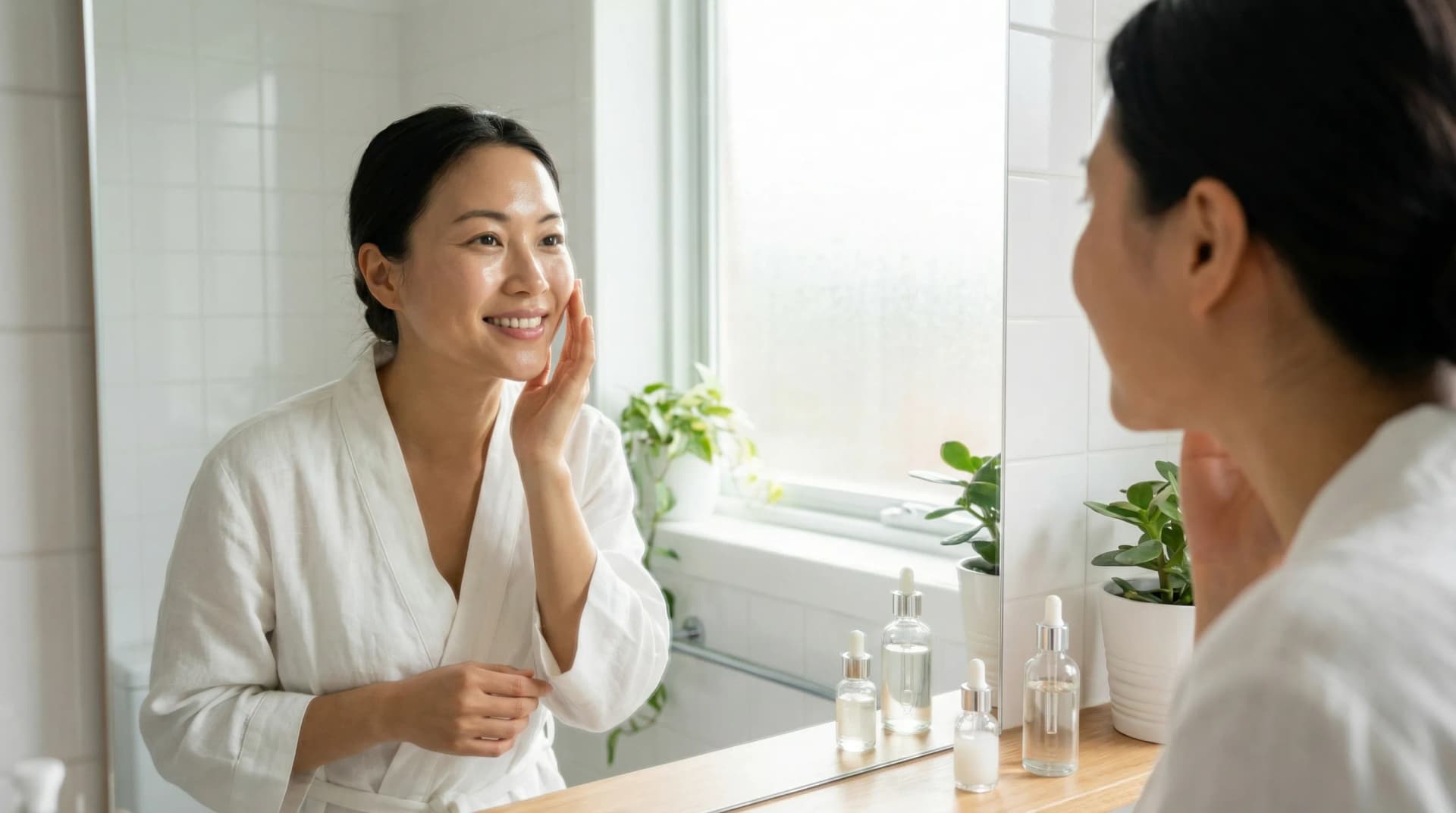
According to BAD clinical guidance, acid solutions are applied to the skin, dissolving the bonds between dead skin cells and stimulating controlled shedding of damaged layers. This triggers your body's wound healing response, producing new skin cells and collagen. The JCCP specifies that superficial peels (glycolic, lactic acid) work on the epidermis only; medium-depth peels (TCA 35-50%) penetrate into the upper dermis; and deep phenol peels reach the reticular dermis for more dramatic results but require sedation and cardiac monitoring.
What to expect
The procedure
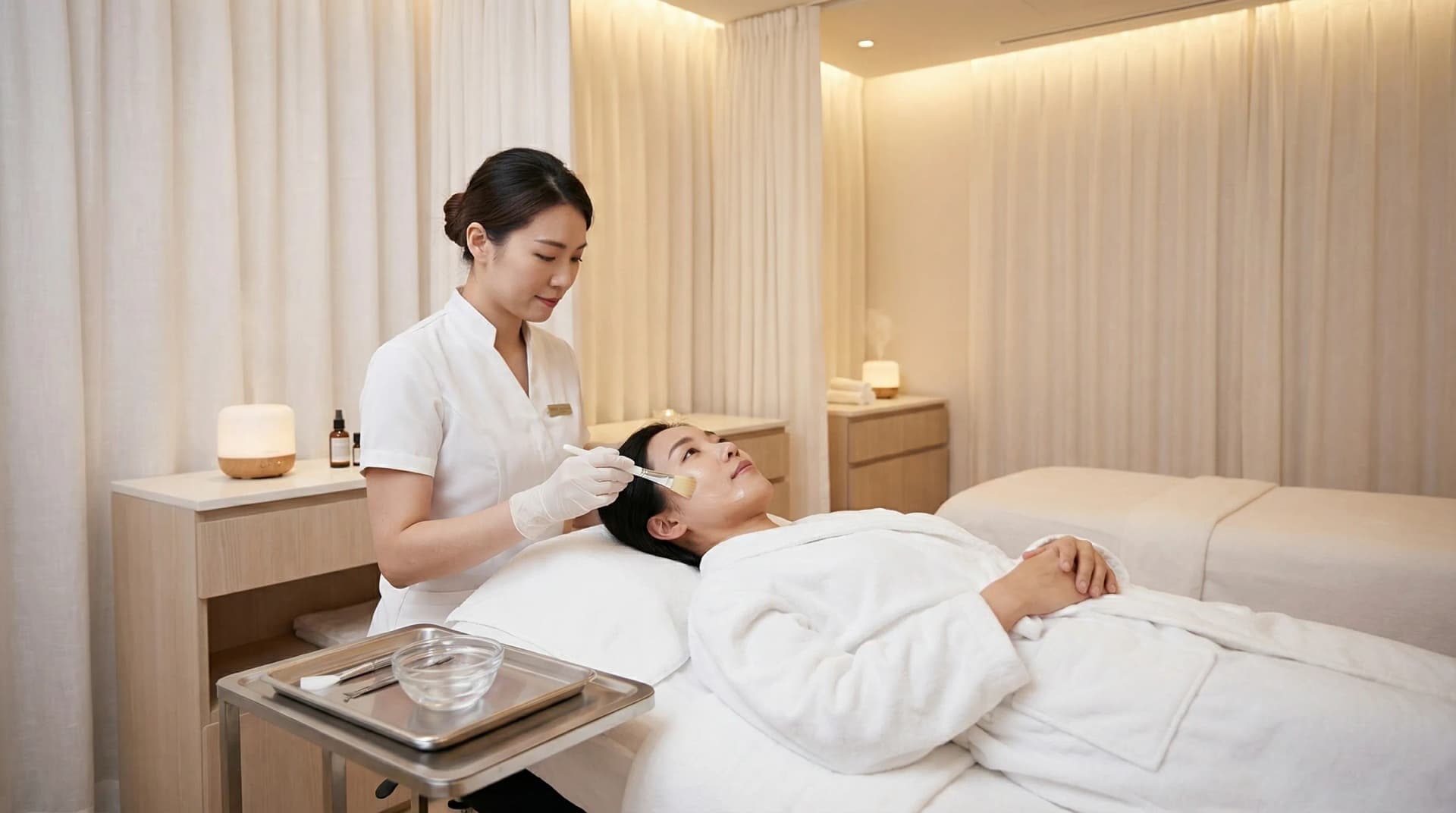
According to JCCP standards, your practitioner will cleanse your skin thoroughly and apply antiseptic preparation before the peel. Eye protection with cotton pads sealed with Vaseline is mandatory. You may feel tingling, warmth, or mild stinging during application. The solution is left on for a specific time determined by peel strength and your skin's response, then neutralised or removed. Treatment takes 30-60 minutes depending on peel depth.
Recovery
The BAD advises that superficial peels cause mild redness and flaking for 2-3 days. Medium-depth peels involve more noticeable peeling for 5-7 days with potential for crusting. Deep peels require significant downtime—expect redness and peeling for 2-3 weeks with professional wound care. The JCCP mandates that practitioners must provide detailed aftercare instructions, with sun protection absolutely essential as new skin is highly photosensitive.
Results
According to BAD guidance, superficial peels produce subtle improvements requiring a course of 4-6 treatments for optimal results. Medium-depth peels show more dramatic improvement in texture and tone after healing. Deep peels can significantly reduce wrinkles and scarring but are typically a one-time procedure. Results develop as skin heals and new collagen forms over subsequent months.
Safety considerations
The JCCP recommends specific training levels for each peel depth: Level 5 for superficial, Level 6 for medium-depth TCA peels, and Level 7 for phenol peels. According to their standards, practitioners must have clear policies for pre-peel allergy testing, particularly for nut and aspirin sensitivities depending on peel composition. The BAD advises disclosing all skin conditions, medications (especially isotretinoin use within the past 6 months), and any history of cold sores, as herpes simplex can be reactivated. Treatment should be avoided during pregnancy. SPF protection post-treatment is mandatory—the JCCP states failure to comply increases photosensitivity risk significantly.
Questions to ask your practitioner
Before booking your treatment, make sure your practitioner can answer these questions:
- 1What type of peel do you recommend for my specific concerns and skin type?
- 2What training level do you hold for administering this depth of peel? (JCCP standards)
- 3How should I prepare my skin before treatment?
- 4What exactly should I expect during the healing process?
- 5Do you have experience treating my skin type, particularly regarding pigmentation risks?
- 6What SPF protocol should I follow, and for how long?
Frequently asked questions
How many chemical peel treatments will I need?
According to BAD guidance, superficial peels typically require 4-6 sessions spaced 2-4 weeks apart for optimal results. Medium-depth peels may need 2-3 treatments. Deep phenol peels are usually a one-time procedure due to their intensity. Your practitioner will recommend a treatment plan based on your specific concerns.
Are chemical peels suitable for sensitive skin?
Yes, with careful product selection. The BAD notes that gentle peels using lactic acid or mandelic acid are often well-tolerated by sensitive skin. The JCCP requires practitioners to perform patch testing and start with lower concentrations to assess individual response before proceeding with full treatment.
Can I wear makeup after a chemical peel?
The JCCP recommends keeping skin makeup-free for at least 24-48 hours after superficial peels, longer for deeper treatments. Your skin needs to breathe and heal without occlusion. When you resume makeup, use clean, non-comedogenic products and ensure your skin has stopped actively peeling.
What's the difference between a professional peel and at-home products?
According to the BAD, professional peels use higher concentrations of active ingredients that penetrate deeper into the skin than consumer products can legally contain. They're tailored to your specific concerns by trained practitioners in controlled clinical conditions. At-home products are formulated at lower strengths suitable for maintenance between professional treatments.
Sources
- • BAD - British Association of Dermatologists clinical guidance
- • JCCP - Joint Council for Cosmetic Practitioners Skin Rejuvenation Standards
- • CPSA - Cosmetic Professionals Standards Authority
Last reviewed: 1 May 2026
Find Chemical Peels clinics
Compare verified clinics offering chemical peels near you.
74 UK locations:
Related treatments
Skin Resurfacing
Your safety matters
All clinics on SkinSage are verified. We encourage you to research practitioners thoroughly before booking any treatment.