
Skin Boosters
Deep hydration for radiant, plump, healthy-looking skin
What is Skin Boosters?
Skin boosters are injectable treatments that deliver hyaluronic acid directly into the skin to improve hydration, elasticity, and overall skin quality from within. According to the JCCP, unlike dermal fillers that add volume to specific areas, skin boosters spread beneath the skin to provide deep, even hydration. Products like Seventy Hyal 2000 and similar formulations are CE-marked, meaning they meet European safety and efficacy standards. They're sometimes called 'injectable moisturisers' and represent a newer approach to skin rejuvenation focused on quality rather than structural change.
Who is it for?
Skin boosters suit adults noticing their skin has lost its natural glow, hydration, or firmness. According to manufacturer guidance and clinical protocols, products like Seventy Hyal 2000 are suitable for clients aged 18 and over with all skin types. The treatment works well for people wanting to improve overall skin quality rather than address specific lines or volume loss. Save Face notes it's particularly popular among those seeking preventative treatments or a 'skin health' approach to ageing.
Common concerns addressed:
- Dull, dehydrated skin
- Loss of skin elasticity and bounce
- Fine crepey texture
- Early signs of skin ageing
- Skin laxity on face, neck, or hands
- Overall skin quality decline

How does it work?
According to clinical protocols, skin boosters contain high concentrations of hyaluronic acid in a fluid, spreadable form rather than the thicker gel used in volumising fillers. When injected into the skin using techniques such as retrograde threading or multiple micro-injections, this HA disperses across a wide area rather than staying localised. It attracts and binds water molecules, providing intense hydration at the dermal level. The JCCP notes that the treatment also stimulates your skin's own collagen and elastin production over subsequent weeks.
What to expect
The procedure
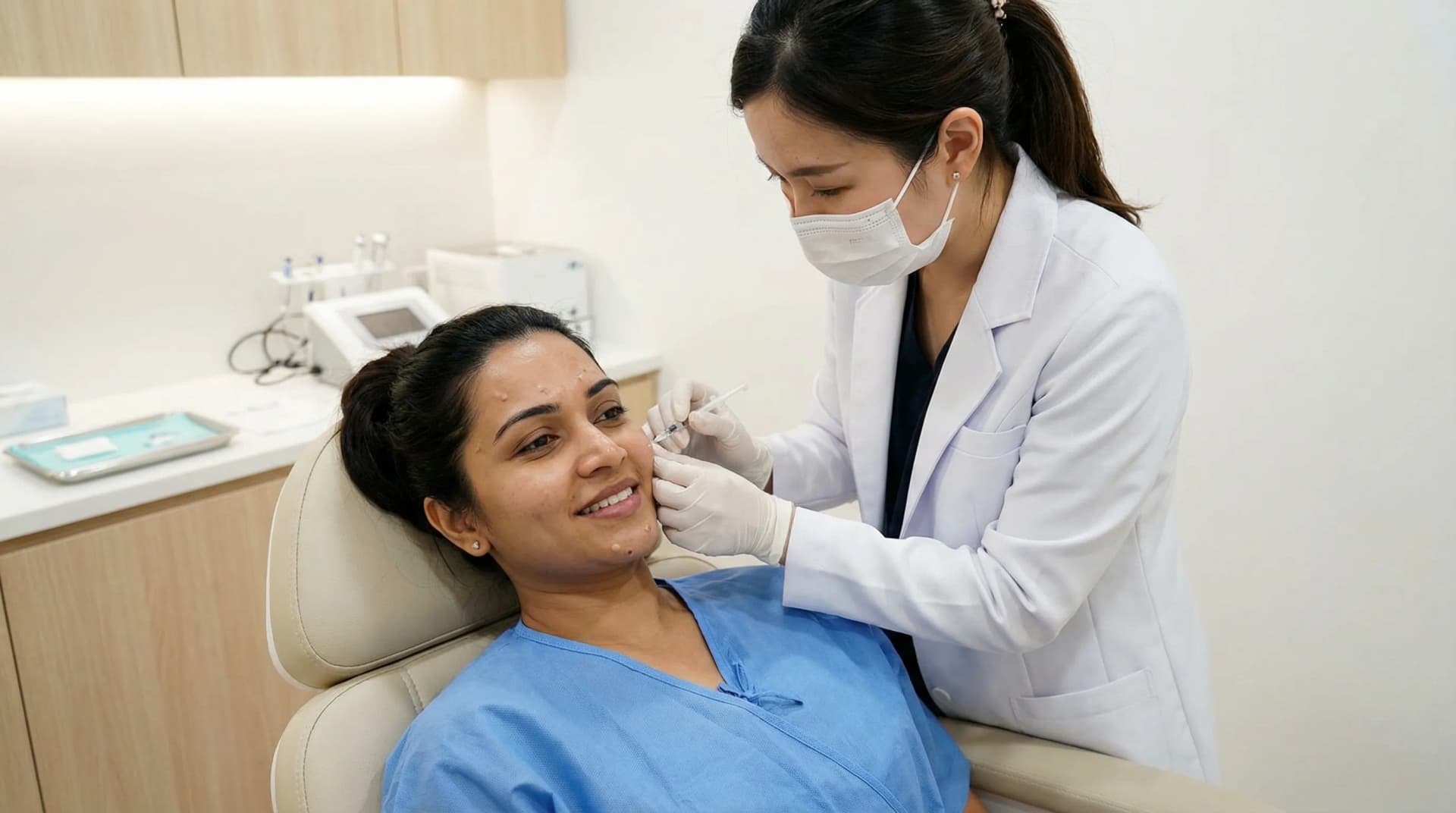
According to JCCP standards, treatment takes approximately 30 minutes. Products like Seventy Hyal use a retrograde thread technique—the product is injected as the needle is withdrawn to minimise trauma. Small amounts are placed into the skin at multiple points across the treatment area. The fluid nature of the product allows it to spread naturally. You may feel mild pinching at injection points. Topical anaesthetic can be applied for comfort if preferred.
Recovery
Save Face guidance notes that small bumps or wheals at injection sites typically resolve within a few hours, though some patients experience them for up to 24-48 hours. Mild redness may last 24-48 hours. The JCCP recommends avoiding makeup for 24 hours, exercise and heat exposure for 24-48 hours, and swimming or saunas for 48 hours. Stay well hydrated to support the treatment's effects. Most people return to normal activities immediately.
Results
According to clinical evidence, initial hydration effects are noticeable within days as the HA attracts water to the skin. True results develop over 2-4 weeks as collagen stimulation occurs. Most protocols involve 2 sessions 4 weeks apart for optimal effect, with results lasting approximately 6-9 months. Your skin will appear more radiant, plump, and healthy. Maintenance treatments every 6 months help sustain improvements.
Safety considerations
The JCCP notes that skin boosters have an excellent safety profile when administered by qualified practitioners using CE-marked products. As with all injectable treatments, choose practitioners registered with professional bodies and listed on accredited registers such as Save Face. Avoid treatment during pregnancy and breastfeeding, or if you have active skin infections, autoimmune conditions, or severe allergies to hyaluronic acid. Recent isotretinoin use (within 6 months) is also a contraindication. Save Face warns that counterfeit products pose serious safety risks—always verify your practitioner sources products from authorised UK distributors.
Questions to ask your practitioner
Before booking your treatment, make sure your practitioner can answer these questions:
- 1Which skin booster product do you use, and is it CE-marked?
- 2How many sessions will I need for optimal results?
- 3What injection technique do you use, and why?
- 4How do skin boosters differ from the dermal fillers you offer?
- 5When will I see results, and how long will they realistically last?
- 6Is this treatment suitable for my skin type and concerns?
Frequently asked questions
What's the difference between skin boosters and dermal fillers?
According to the JCCP, dermal fillers add volume to specific areas and smooth individual lines using thicker gel formulations. Skin boosters spread across a wider area using more fluid HA to improve overall skin quality, hydration, and texture. They don't add structural volume or change facial contours—think of them as deep hydration therapy rather than filling or sculpting.
Are skin boosters painful?
Save Face notes that most people find the treatment very comfortable. The needles used are fine, and the product is fluid rather than thick. Some patients experience mild pinching at injection points. Topical numbing cream can be applied beforehand if you're concerned about discomfort.
Can skin boosters be used on the body?
Yes. According to clinical guidance, skin boosters are effective on the neck, décolletage, and hands—areas that often show signs of ageing and dehydration but are difficult to treat with traditional volumising fillers. Some formulations are specifically indicated for body use.
How often do I need skin booster treatments?
According to standard protocols, the initial course typically involves 2 sessions 4 weeks apart to achieve optimal hydration and stimulate collagen. After that, maintenance treatments every 6 months help sustain results. Your practitioner may adjust this based on your skin's individual response and your aesthetic goals.
Sources
- • JCCP - Joint Council for Cosmetic Practitioners
- • Save Face - Accredited practitioner register
- • CE marking - European conformity standards
Last reviewed: 1 May 2026
Find Skin Boosters clinics
Compare verified clinics offering skin boosters near you.
73 UK locations:
Related treatments
Your safety matters
All clinics on SkinSage are verified. We encourage you to research practitioners thoroughly before booking any treatment.