
Botox
Smooth dynamic wrinkles with precision muscle relaxation
What is Botox?
Botox is the brand name for botulinum toxin type A, which the NHS classifies as a prescription-only medicine (POM). According to NHS guidance, it temporarily relaxes targeted facial muscles and has been safely used in the UK since the late 1980s for both medical and cosmetic purposes. The Medicines and Healthcare products Regulatory Agency (MHRA) regulates botulinum toxin products, and the JCCP classifies cosmetic Botox as an 'amber' category treatment requiring qualified prescriber oversight. Medical uses include treating muscle spasms, chronic migraines, excessive sweating (hyperhidrosis), and overactive bladder.
Who is it for?
Botox suits adults bothered by dynamic wrinkles—lines that appear when you make facial expressions. According to Save Face, it's particularly effective for the upper face. The NHS notes that treatment requires a face-to-face consultation with a qualified prescriber (doctor, dentist, nurse prescriber, or pharmacist prescriber) before any prescription can be issued. Since January 2025, the Nursing and Midwifery Council has required in-person consultations, closing previous loopholes around remote prescribing.
Common concerns addressed:
- Frown lines (glabellar lines between the eyebrows)
- Forehead lines (horizontal lines)
- Crow's feet (periorbital lines around the eyes)
- Bunny lines (on the nose)
- Excessive sweating (hyperhidrosis)
- Teeth grinding and jaw tension (bruxism)
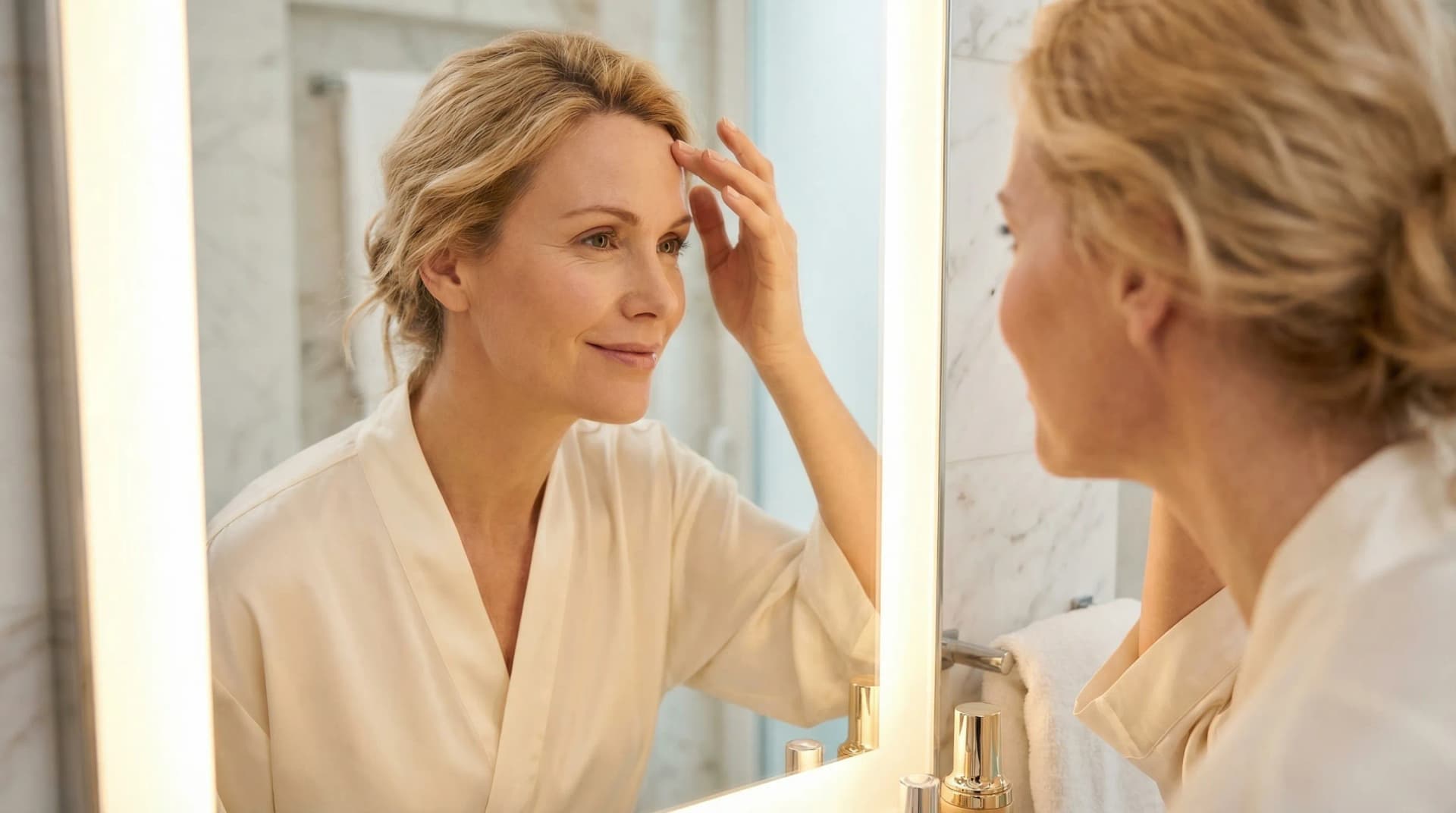
How does it work?
According to NHS information, botulinum toxin works by blocking nerve signals to muscles. When injected into specific facial muscles, it temporarily prevents them from contracting with full force. This relaxation softens the overlying skin, reducing the appearance of dynamic wrinkles. The JCCP notes that effects develop gradually over 3-14 days as the toxin takes effect, and typically last 3-4 months before muscle activity naturally returns as nerve function recovers.
What to expect
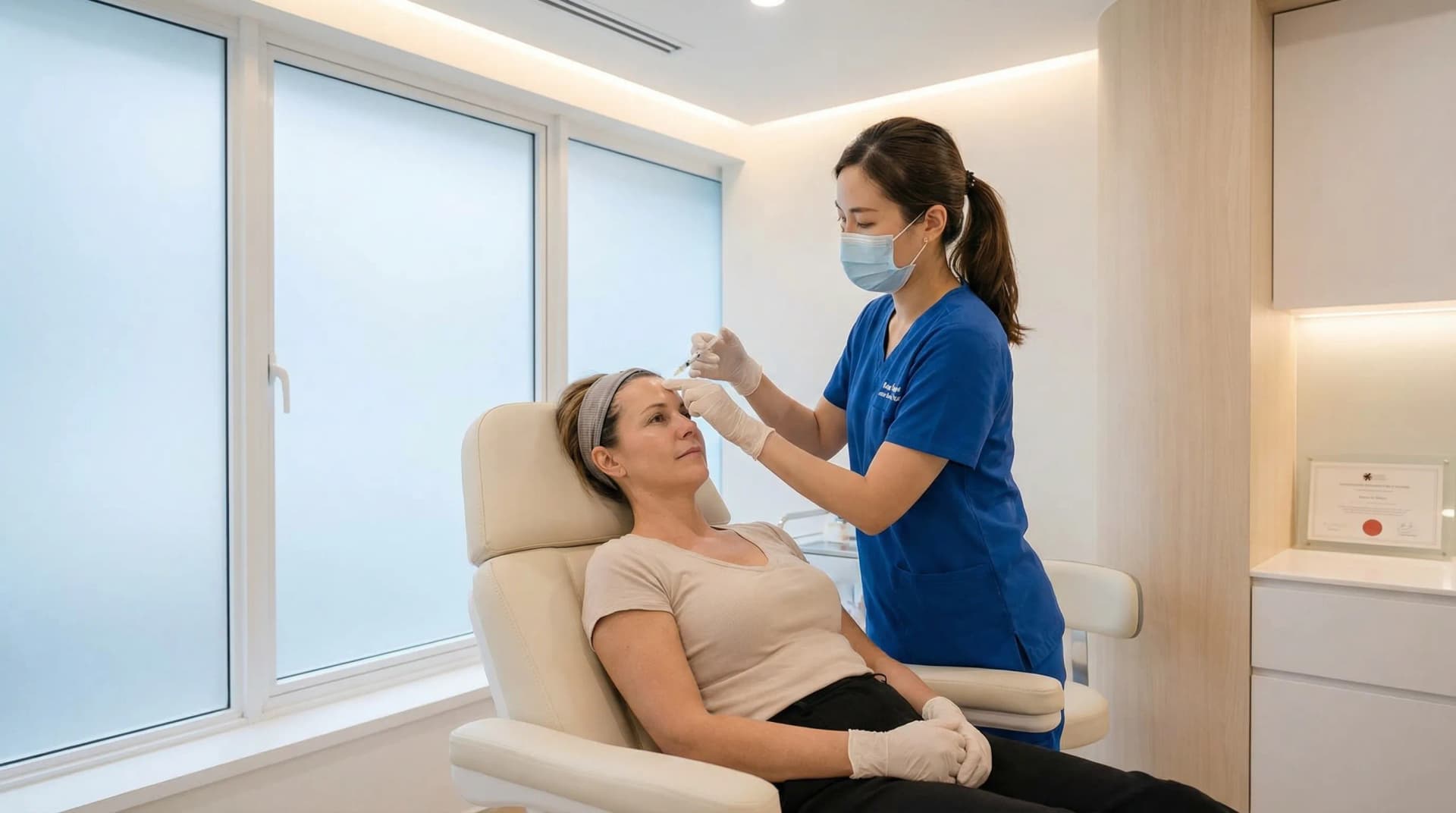
The procedure
Treatment takes just 10-20 minutes. According to Save Face best practice guidelines, your prescriber will assess your facial movement patterns, discuss your goals, and mark precise injection points. Small amounts of Botox are administered using a very fine needle. Most people describe it as a brief pinching sensation. The JCCP states that topical anaesthetic is not usually required, though ice can be applied for comfort.
Recovery
The NHS advises you can return to most activities immediately, though you should avoid lying down for 4 hours and skip intense exercise for 24 hours. Do not rub or massage the treated areas, as this can cause the toxin to migrate. Minor redness or small bumps at injection sites typically resolve within an hour. The JCCP notes that headaches are occasionally reported but are usually mild and short-lived.
Results
According to NHS guidance, initial effects appear within 3-5 days, with full results visible at 2 weeks. Lines appear softer and less pronounced, though experienced practitioners typically preserve some natural movement for authentic expression. Results last 3-4 months on average, with some patients finding effects extend longer with regular treatments as muscles become conditioned to relaxation.
Safety considerations
The NHS emphasises that Botox is a prescription-only medicine that must be prescribed by a qualified healthcare professional following a face-to-face consultation. Under the Botulinum Toxin and Cosmetic Fillers (Children) Act 2021, it is illegal to give Botox to anyone under 18 for cosmetic purposes in England. The JCCP reports that serious complications are rare when administered by trained professionals, but systemic effects can occur. According to UK Health Security Agency (UKHSA) data from 2025, cases of botulism have been linked to unlicensed products and non-clinical settings—always verify your practitioner uses licensed products from authorised UK suppliers. Avoid treatment if pregnant, breastfeeding, or if you have neuromuscular disorders such as myasthenia gravis.
Questions to ask your practitioner
Before booking your treatment, make sure your practitioner can answer these questions:
- 1Are you a registered healthcare professional qualified to prescribe Botox? (GMC, GDC, NMC, or GPhC registered)
- 2Will I have a face-to-face consultation before you prescribe treatment?
- 3What brand of botulinum toxin do you use, and is it licensed for use in the UK?
- 4How will you ensure my results look natural while still being effective?
- 5What happens if I experience side effects, and how can I contact you?
- 6Do you provide written aftercare instructions? (JCCP requirement)
Frequently asked questions
Will Botox make my face look frozen?
Not when administered correctly. Save Face advises that a skilled practitioner tailors the dose to soften lines whilst preserving natural expression. The 'frozen' look typically results from over-treatment. Discuss your preference for natural results during your consultation.
How often do I need Botox?
According to NHS guidance, most people have treatments every 3-4 months initially. Some patients find they can extend this interval over time as muscles become trained to relax. Your prescriber will recommend an appropriate schedule based on your individual response.
Is Botox safe long-term?
The NHS notes that Botox has been used medically and cosmetically for over 30 years with an excellent safety record. When administered by qualified professionals at appropriate doses, long-term use is considered safe. Research suggests muscles may require less frequent treatment over time.
Can I have Botox and fillers together?
Yes. According to the JCCP, they're often combined as part of a comprehensive facial rejuvenation plan. Botox addresses dynamic wrinkles from muscle movement, whilst fillers restore volume and smooth static lines. Your practitioner can advise on the best combination for your specific concerns.
Are Botox and anti-wrinkle injections the same?
Clinically, yes — Botox® is one of several MHRA-licensed botulinum toxin type A products available in the UK, and the regulatorily preferred UK term for the procedure as a whole is Anti-Wrinkle Injections. Save Face uses the generic term because all licensed products are prescription-only medicines that must be administered by a qualified prescriber, not because of any meaningful clinical difference at the patient level. If you're researching the procedure rather than a specific brand, our Anti-Wrinkle Injections page covers the same ground from the regulator-aligned angle.
Sources
- • NHS - Botulinum toxin injections guidance
- • MHRA - Medicines and Healthcare products Regulatory Agency
- • JCCP - Joint Council for Cosmetic Practitioners
- • Save Face - Accredited practitioner register
- • UKHSA - UK Health Security Agency botulism alerts 2025
Last reviewed: 1 May 2026
Find Botox clinics
Compare verified clinics offering botox near you.
74 UK locations:
Related treatments
Your safety matters
All clinics on SkinSage are verified. We encourage you to research practitioners thoroughly before booking any treatment.